As I've been talking about common issues that come up during home inspections, I wanted to touch on another important topic for homeowners in Northern Fairfield County: well water testing.
Many of the homes in Newtown, Sandy Hook, Bethel, Brookfield, Southbury, and surrounding towns rely on private wells. One of the recommendations I often make during listing appointments is to be proactive and understand what's going on with your water before you put your home on the market.
The truth is, most homeowners don't test their well water annually, even though it's recommended. Life gets busy, and if your water seems fine, it's easy to assume everything is okay. However, knowing what's in your water before a buyer's inspection can help you avoid surprises later in the transaction.
Water Testing Has Changed Over the Years
If you purchased your home 20 or 30 years ago, the water testing requirements were different than they are today.
Over the last decade, testing standards have remained fairly consistent, but compared to what was commonly tested years ago, there are additional concerns that inspectors and buyers are paying attention to today.
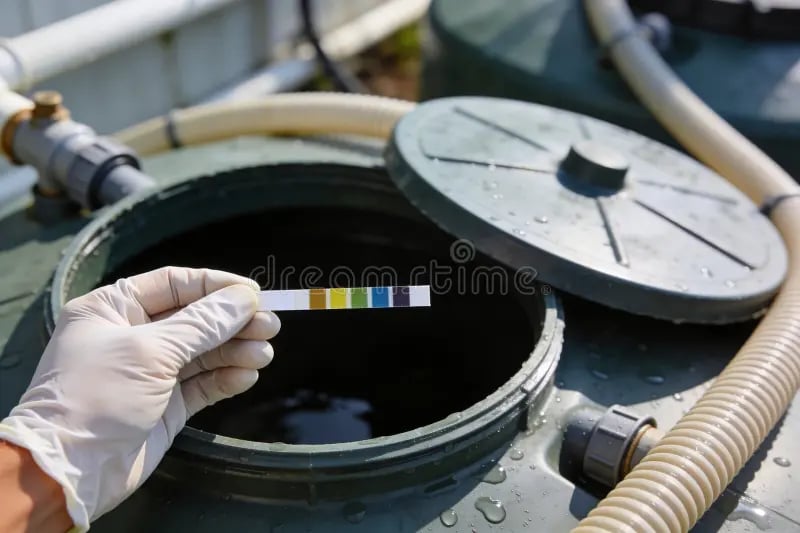
A standard well water test typically includes:
• Potability testing to ensure the water is safe to drink
• E. coli testing
• Coliform bacteria testing
• Analysis of the water's biochemical makeup
In addition, there are three contaminants that receive particular attention in our area:
• Uranium
• Arsenic
• Radon
These naturally occurring elements can be found in groundwater throughout parts of Connecticut, making them important components of today's inspection process.
The Good News: Effective Solutions Are Available
Finding elevated levels of a contaminant doesn't necessarily mean you have a major problem.
Technology has come a long way, and there are excellent water treatment systems available to address many common water quality concerns.
Some homeowners choose a reverse osmosis system installed at the kitchen sink, often connected to the refrigerator for filtered drinking water and ice. Others opt for a whole-house filtration system, such as a METSORB system, which treats water as it enters the home so that all water throughout the property is filtered.
The right solution depends on your specific water test results and household needs.
Why Sellers Should Consider Testing Before Listing
One of the best ways to prepare your home for the market is to identify potential issues before a buyer does.
Testing your well water before listing allows you to:
• Understand the condition of your water supply
• Address any concerns proactively
• Avoid surprises during inspections
• Give buyers additional confidence in your property
• Create a smoother transaction process
Even if you're not planning to sell immediately, annual testing can provide peace of mind and help ensure your family's water remains safe and healthy.
A Little Preparation Goes a Long Way
When it comes to selling a home, the more information you have upfront, the better prepared you'll be.
If you haven't tested your well water recently, it may be worth considering. Whether you're planning to sell this year, next year, or simply want to stay informed about your home's systems, understanding your water quality is an important part of homeownership.
If you have questions about well water testing, home inspections, or preparing your home for sale in Newtown and the surrounding communities, I'm always happy to help.
A little preparation today can save a lot of stress tomorrow.