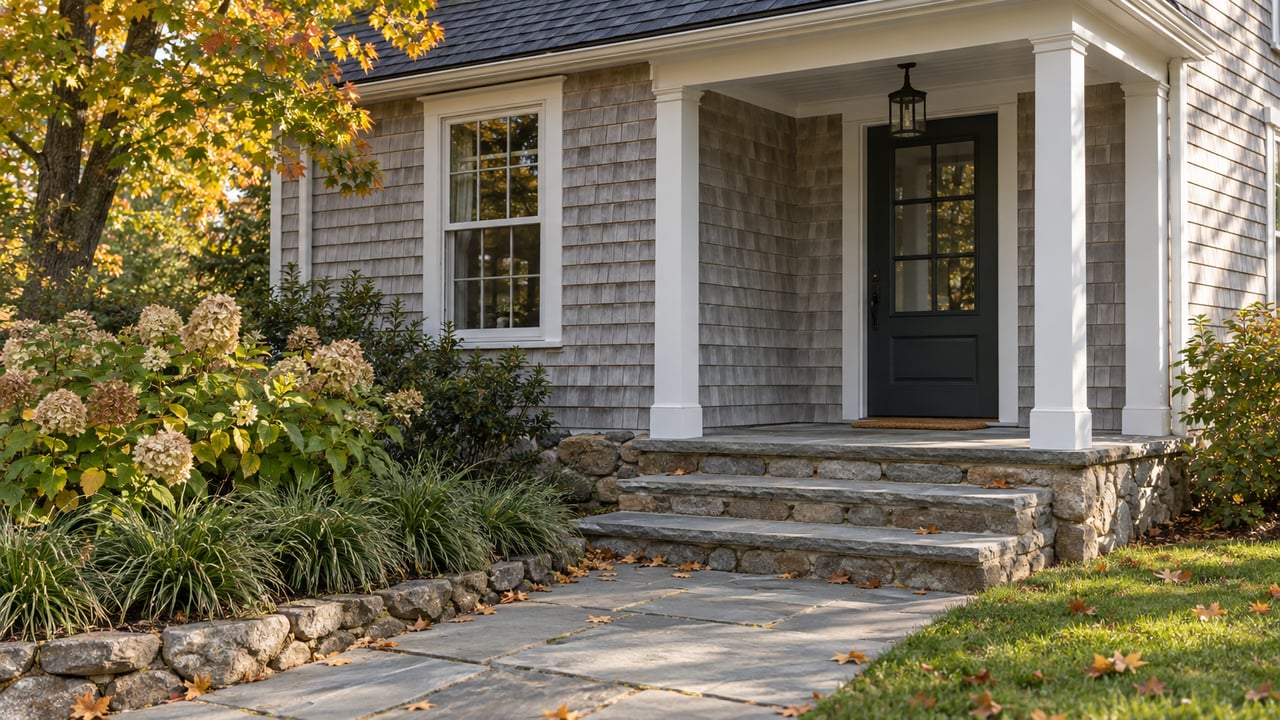
Whether you are buying, selling, renovating, or researching a home in Newtown, Connecticut, public property records can answer important questions before they become transaction problems.
The challenge is that there is no single “property record” containing everything. The Tax Assessor, GIS office, Newtown Health District, Building Department, Town Clerk, Tax Collector, and other town departments maintain different types of information for different purposes.
This guide explains where to look for Newtown property records, what each source may contain, and how to organize the information into a useful property file.
Start With the Correct Property Information
Before searching, collect as much of the following information as possible:
- The complete street address
- Current and previous owner names, if known
- Assessor map, block, and lot identifiers
- Subdivision or neighborhood name
- Approximate construction date
- Any previous address or lot-number information
Begin with the street address, but do not rely on it alone. A parcel identifier or owner name can help when an address has changed, a property includes multiple parcels, or a record was filed under an earlier owner.
1. Find the Newtown Tax Assessor Field Card
The Town of Newtown provides access to online field cards through the Tax Assessor’s office.
A field card may include information such as:
- Owner name and mailing address
- Property location
- Parcel or map identifiers
- Lot acreage
- Building style and approximate year built
- Living-area and room information
- Exterior features and outbuildings
- Assessment information
- A building sketch or property photograph
- Recorded sale information
The field card is a useful starting point, but it is not a substitute for a survey, deed, permit file, appraisal, or physical inspection. Square footage, room descriptions, accessory structures, and other details may need to be confirmed through additional records.
The assessed value also should not be treated as the home’s current market value. Assessment data serves a property-tax purpose. Market value depends on current comparable sales, condition, location, land, buyer demand, and other factors.
How to use the field card
Search by address or owner name, then save a copy of the current card. Note the parcel identifiers, acreage, building description, and any information that appears inconsistent with the home as it exists today. Those notes will guide the rest of the research.
2. Review the Newtown GIS Map
The Town’s GIS and mapping resources provide a geographic view of the parcel. Depending on the layers and information available in the system, the map may help users understand:
- Approximate parcel location and configuration
- Nearby roads and properties
- Aerial imagery
- Structures shown on the parcel
- Natural or mapped features
- Other municipal data layers
GIS is especially helpful when researching a large, wooded, irregular, or multi-parcel Newtown property. It can provide context that is difficult to understand from a field card alone.
However, GIS lines are generally for informational use and should not be interpreted as a boundary survey. If exact property lines, easements, encroachments, or buildable areas matter, consult the recorded documents and an appropriately licensed professional.
3. Request Septic Records From the Newtown Health District
Many Newtown properties use private septic systems. The Newtown Health District septic-system page directs property owners and researchers to request available septic information from the department.
A septic file may include some combination of:
- Septic as-built drawing
- Original installation information
- Repair or alteration permits
- Soil-testing information
- Inspection or approval records
- System location and component details
- Design capacity information
The septic as-built is often the most requested document. It is a drawing showing the system as it was installed or approved, which may help identify the location of the tank, distribution components, and leaching area.
How to request a septic as-built in Newtown
Contact the Newtown Health District with the complete property address and, when possible, the owner name and parcel information. The Town’s health forms page lists property-record requests, including septic as-builts and well completion reports and provides the department’s current contact instructions.
Newtown Health District contact information published by the Town includes:
- Phone: 203-270-4291
- Email: [email protected]
- Office: 3 Primrose Street, Newtown, CT 06470
Ask for the complete available septic file rather than only one page. A later repair record may be more relevant than the original plan.
What a septic record does not prove
An as-built shows documentation from a point in time. It does not establish the system’s present condition, guarantee that every component is in the exact recorded location, or replace an inspection by a qualified septic professional.
If the Town has no record, that does not automatically prove that no system exists or that the system is defective. Older properties may have incomplete files. The next step may involve reviewing prior owner documents, speaking with a septic professional, or performing additional investigation.
4. Look for Newtown Well Records
Homes with private water may have a well completion report or other information on file. Available well documentation may include:
- Installation date
- Drilling depth
- Well yield information recorded at installation
- Well location or setback information
- Driller or installer information
- Original completion documentation
Request available well records from the Newtown Health District using the property address and parcel information. If the home has water-treatment equipment, also ask the owner for private service records, installation invoices, manuals, recent water-test results, and filter-maintenance information. Those documents may not be part of the municipal file.
A historical completion report does not guarantee current flow, pressure, water quality, or equipment condition. Buyers should discuss appropriate inspections and testing with qualified professionals.
5. Check the Newtown Building Department File
The Newtown Building Department maintains records associated with permits and inspections under its jurisdiction.
Depending on the property and age of the work, a file may help answer questions about:
- Additions and structural changes
- Finished basements
- Decks, porches, and garages
- Pools and spas
- Sheds and accessory buildings
- Generators
- Electrical, plumbing, heating, and cooling work
- Certificates of occupancy or completion
If the field card describes a home differently from its current layout, the building file is a logical next place to look. Have the address, owner name, approximate date of the work, contractor name, or permit number available if possible.
Not every older improvement will have a digital record, and the absence of an easily located document is not a final conclusion about compliance. Ask the department what records are available and consult the appropriate professional before making a representation or beginning corrective work.
6. Search Deeds and Land Records Through the Town Clerk
The Newtown Town Clerk maintains land records for property transactions recorded in the town. These records may include:
- Deeds
- Mortgages and releases
- Easements
- Restrictions or covenants
- Liens and other recorded instruments
- Subdivision or survey maps
The deed is important because it identifies the legal ownership interest and may reference an earlier deed, recorded map, easement, or restriction. Follow those references when more detail is needed.
Online access and indexing can vary by document type and recording date. If an older document or map is not available through the online search, contact the Town Clerk’s office about reviewing or obtaining a copy.
A real estate agent can help gather commonly used documents, but questions about title, legal descriptions, easements, restrictions, liens, or ownership should be directed to a Connecticut real estate attorney or other qualified title professional.
7. Distinguish the Tax Assessor From the Tax Collector
These two offices serve different purposes:
- The Tax Assessor maintains assessment and property-description information.
- The Tax Collector bills and collects property taxes and can provide tax-payment information.
Use the Assessor when researching the parcel or building data. Use the Newtown Tax Collector when checking tax bills, payment status, or related account questions.
A field card’s assessment figure does not show whether current taxes have been paid, and a tax bill does not establish the property’s market value.
8. Check Other Departments When the Property Requires It
Some Newtown properties require additional research based on their location, improvements, or proposed use. Relevant sources may include:
- Planning and Zoning
- Inland Wetlands
- Water and Sewer Authority
- Engineering or Public Works
- Fire Marshal
- Conservation-related mapping and records
For example, a buyer planning an addition, pool, accessory structure, or different use should not assume that lot size alone determines what is possible. Zoning rules, septic capacity, well setbacks, wetlands, easements, topography, and other constraints may all matter.
Contact the appropriate department with a specific question and property identifier. A general online map is a starting point, not approval for future work.
9. Compare the Records With the Physical Property
Once the documents are collected, compare them with what is visible at the property:
- Does the room count and layout resemble the field card?
- Are additions, finished areas, decks, pools, sheds, and generators reflected in the available records?
- Does the septic drawing appear consistent with the yard and improvements?
- Is the well location known?
- Are multiple parcels involved?
- Do the deed and map references match the parcel being marketed?
- Are improvement dates and system descriptions consistent across records?
A discrepancy is a question to investigate, not an invitation to guess. Resolve material issues with the department or qualified professional responsible for that subject.
10. Build a Newtown Property-Records Folder
Save the records in clearly labeled sections:
- Assessor field card
- GIS map
- Deed and recorded maps
- Septic as-built and septic history
- Well completion report and water information
- Building permits and approvals
- Surveys and private plans
- Service invoices and warranties
- Tax information
- Questions requiring follow-up
For sellers, assembling this file before listing can make disclosures, marketing, attorney review, and buyer questions easier to manage. For buyers, it creates a more complete foundation for inspections and due diligence.
Frequently Asked Questions About Newtown Property Records
Where can I find the field card for a Newtown property?
Start with the Town of Newtown Tax Assessor’s online field-card page. Search using the street address or owner name, then note the parcel identifiers for additional research.
How do I get a septic as-built in Newtown, CT?
Request the available septic file from the Newtown Health District. Provide the complete address and, if possible, the owner name and parcel information. Ask whether the file includes an as-built, later repairs, soil testing, and approval records.
Can I find a private well report for a Newtown home?
The Newtown Health District may have a well completion report or related documentation. Availability varies, especially for older homes. Municipal records should be supplemented with owner service records and appropriate professional testing.
Are Newtown GIS property lines exact?
GIS mapping is useful for general reference, but it should not be treated as a boundary survey. Use recorded maps and a licensed surveyor when exact boundaries or encroachments matter.
What if Newtown does not have a septic, well, or permit record?
Missing records are not unusual for some older properties. Ask the department whether the search is complete, check alternate owner names or parcel identifiers, review private owner files, and consult the appropriate professional about the next investigative step.
Is the assessed value the same as what the home is worth?
No. Assessment information is used for taxation. A current market value opinion considers comparable sales, competition, location, condition, land, improvements, and buyer demand.
Need Help Researching a Newtown Property?
Property records are most useful when someone knows how the pieces fit together. Connie Widmann & Team at William Raveis Real Estate helps Newtown buyers and sellers gather commonly needed records, identify questions, and coordinate with the appropriate town departments and licensed professionals.
If you are buying or selling a home in Newtown, Connecticut, contact Connie Widmann & Team for local guidance and a property-specific plan.
Connie Widmann & Team at William Raveis Real Estate
14 Church Hill Road, Unit C-7, Newtown, CT 06470
203-856-6491
conniewidmannteam.com
Connecticut Real Estate License RES.0767271
This article provides general information and is not a title search, survey, inspection, engineering opinion, legal advice, or confirmation that any particular record is complete or current. Verify material information with the responsible municipal department and appropriately qualified professionals.