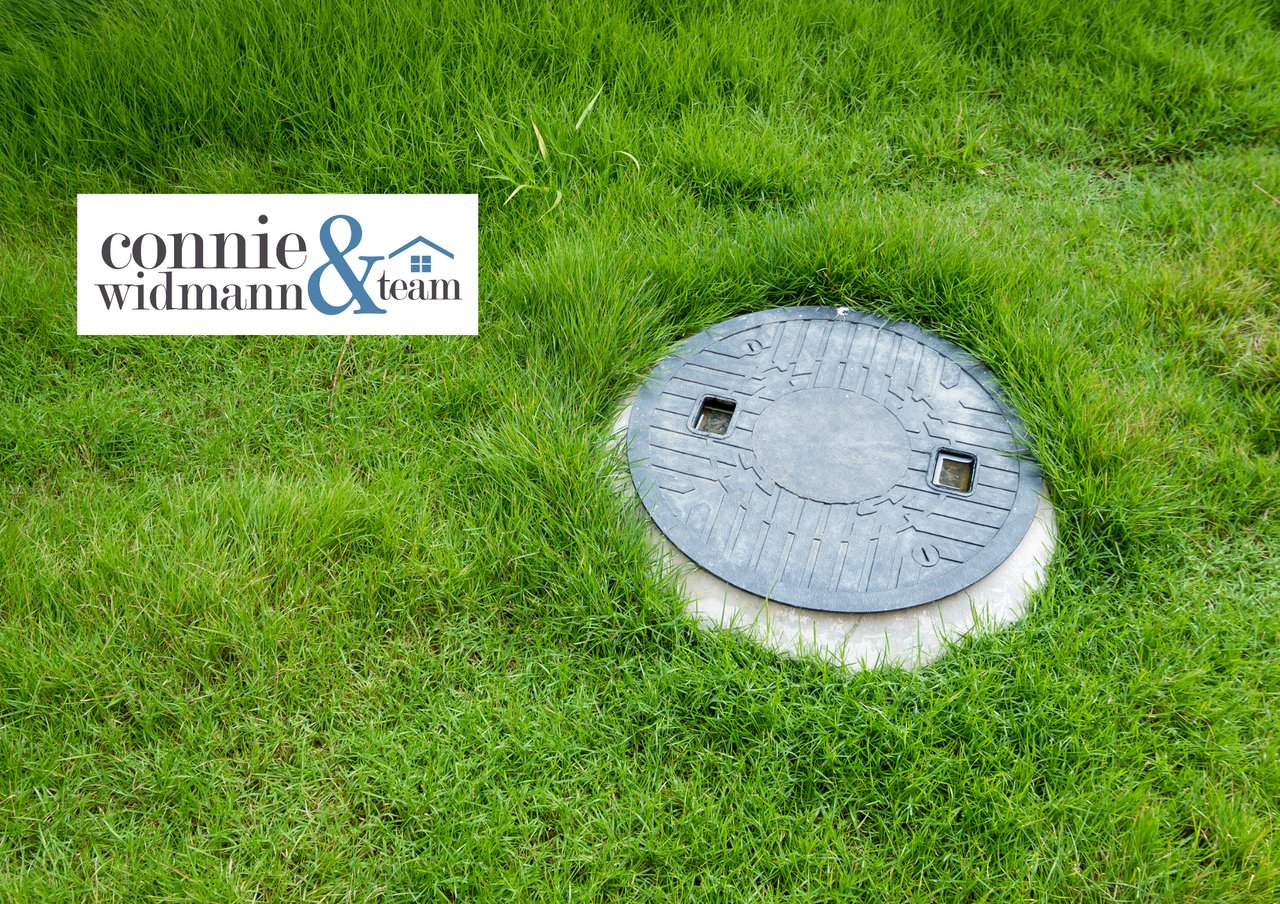
Buying a Home With Well and Septic in Newtown, CT
Buying a home with a private well and septic system is very common in Newtown, Connecticut. These systems should not automatically discourage you from purchasing a property, but they do require a little more due diligence than a home connected to public water and sewer.
The goal is to understand the condition of both systems before closing, identify any concerns and plan for routine maintenance. Here is what Newtown buyers should know.
Start With the Property Records
Before the inspections, ask for any available records relating to the well and septic system. The seller may have maintenance invoices, water-test results, septic pumping records, permits or repair documentation.
You can also contact the Newtown Health District to request available property information, such as the septic as-built plan and well completion report. The septic as-built may show the location of the tank and leaching area, while other records may provide details about the system's design, installation or repair history.
Confirm the home's approved bedroom count as well. Septic systems are generally designed according to the number of bedrooms, not simply the number of people currently living in the home. This can be especially important if a finished basement, office or addition appears to function as another bedroom.
Schedule a Thorough Septic Inspection
A septic inspection should be performed by a qualified professional who is familiar with local systems and soil conditions. Whenever accessible and permitted, the tank should be opened so its visible components can be evaluated.
The inspector may review:
The tank's condition, liquid levels, covers and baffles
The distribution components and leaching area
Evidence of cracks, corrosion, leakage or root intrusion
Signs of sewage surfacing above the tank or leaching field
Slow drains, backups, strong odors or unusually saturated soil
The system's age, maintenance history and date of its last pumping
Connecticut's Department of Public Health advises buyers that inspection tests provide information about a system's present condition but cannot guarantee how long it will continue to perform. Buyers should also consider what future repairs could involve and whether the property appears to have a suitable reserve area if the existing system eventually fails.
Ask whether the septic tank has generally been pumped every three to five years, which is the maintenance interval identified in the state's home-buying guidance. Actual pumping needs can vary depending on household size, water use, tank size and system design.
Have the Well Water Professionally Tested
A private well supplies the home's drinking water, and the homeowner is responsible for testing its quality and maintaining the system. During the purchase process, use a qualified laboratory and discuss an appropriate testing panel with your inspector or water professional.
A basic water-quality test may include bacteria and other common indicators. Depending on the property, the well's history and local conditions, buyers may also consider expanded testing for substances such as arsenic, uranium, radon, lead, nitrate, iron, manganese, hardness and pH.
If a result falls outside a recommended level, do not immediately assume the home is unsuitable. Many water-quality concerns can be addressed with the correct treatment equipment. The important questions are what is causing the result, what treatment is recommended, what installation may cost and what ongoing maintenance or filter replacement will be required.
Evaluate the Well System Itself
Water quality is only one part of the well inspection. Buyers should also learn as much as possible about the well and its operating equipment, including:
The well's location and age
Well depth and available completion records
Water pressure and flow
The condition of the well cap, pressure tank and visible components
The age and apparent condition of the well pump
Any existing filtration, softening or treatment equipment
A water-flow or yield evaluation may be worth discussing, particularly if there are concerns about supply or if the household is likely to use more water than the current occupants.
Think About Your Future Plans
If you hope to add a bedroom, finish a lower level, install a pool or construct an addition, investigate those plans before purchasing. Wells, septic systems, reserve areas, wetlands, setbacks, slopes and ledge can all affect what may be possible on a particular lot.
Do not assume that because a property has open yard space, that area can automatically support an addition or a future septic repair. Discuss major plans with the Newtown Health District and the appropriate land-use professionals before relying on them as part of your buying decision.
Protect Both Systems After Closing
Once you own the home, a few good habits can help protect your investment:
Pump the septic tank on an appropriate schedule
Avoid flushing wipes, grease, chemicals and other non-septic-safe materials
Spread laundry and other high-water-use activities throughout the week
Keep vehicles, patios, sheds and major landscaping away from septic components
Direct roof and surface drainage away from the leaching area
Test private well water regularly and maintain treatment equipment as directed
Keep records of inspections, pumping, repairs and water-test results
The Bottom Line
Buying a Newtown home with well and septic is manageable when you have the right information and qualified professionals on your side. Review the records, inspect both systems carefully, test the water and understand the potential cost of future maintenance or repair before your inspection contingency expires.
Every property is different. A knowledgeable local real estate professional can help you coordinate the process, identify the right questions and connect you with inspectors and specialists familiar with Newtown homes.
This article is for general informational purposes and is not a substitute for advice from the Newtown Health District, a licensed inspector, environmental laboratory, engineer, attorney or other qualified professional.