By Connie Widmann & Team
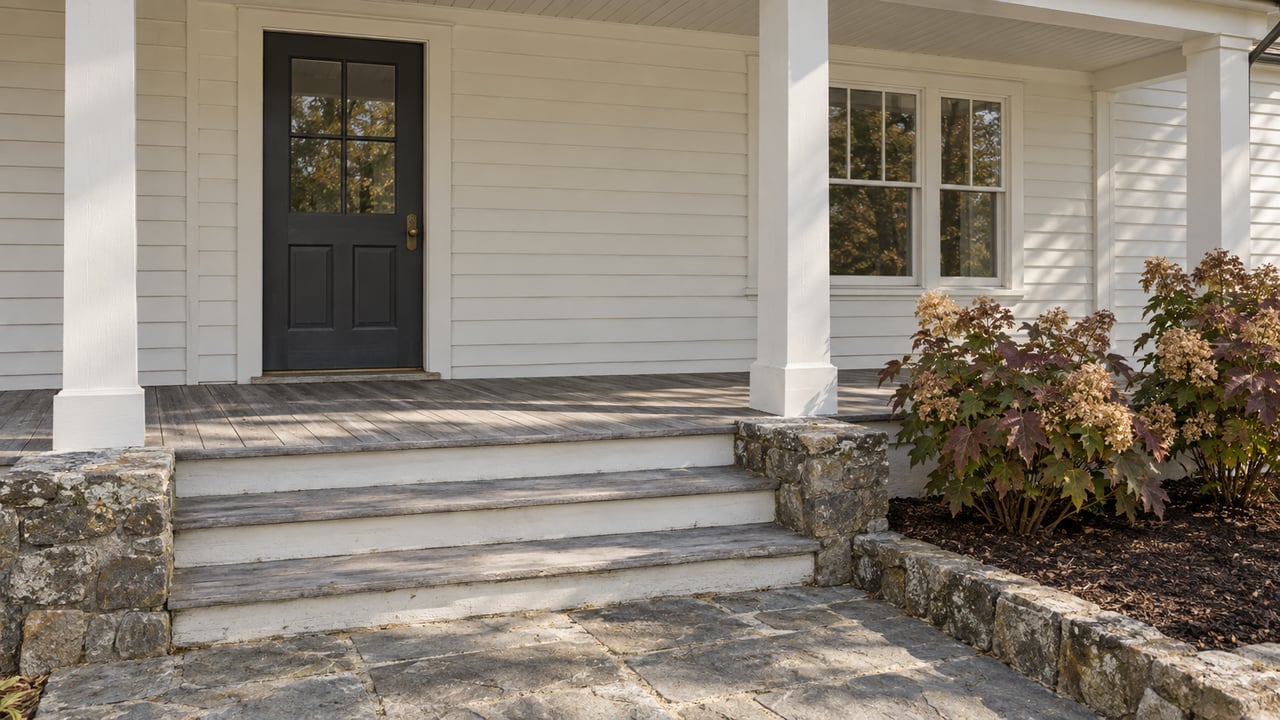
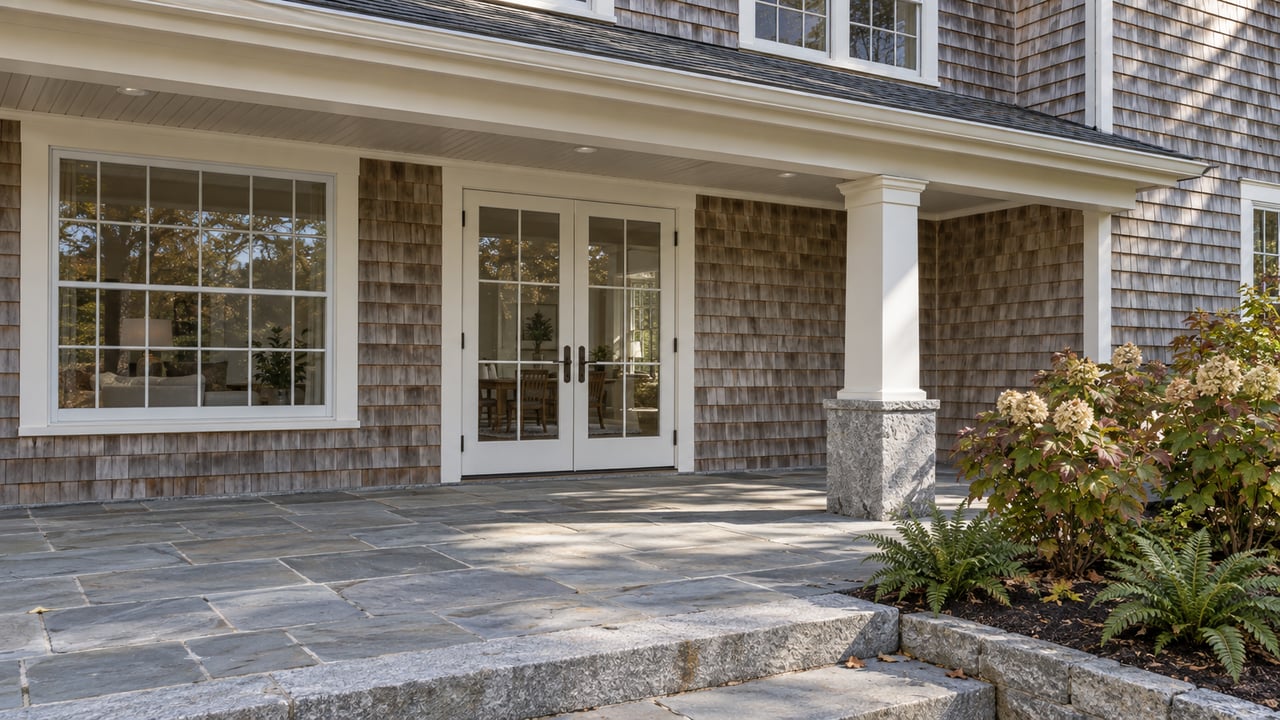
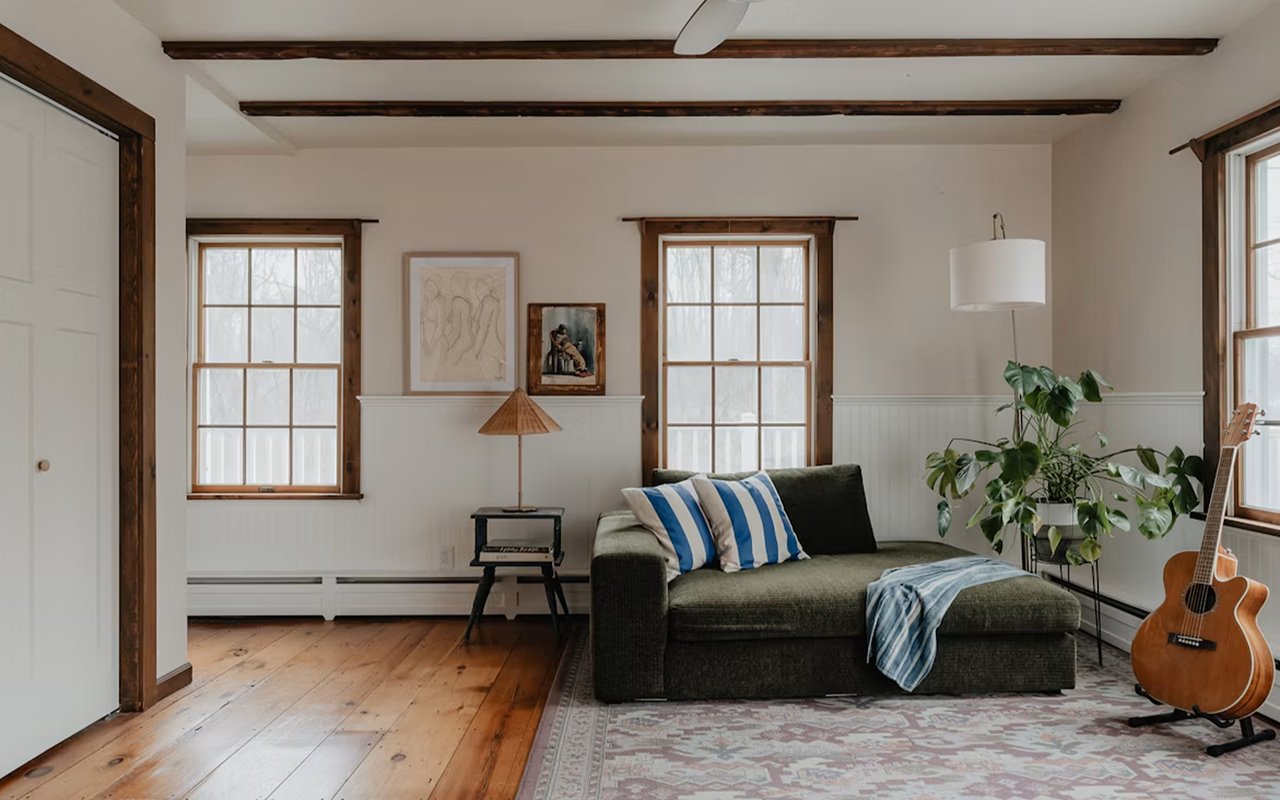
Newtown's Main Street is lined with 18th- and 19th-century homes, many of them inside protected historic districts. These homes have a character that's hard to find anywhere else, but they also come with a few extra steps that buyers should understand early. Real estate in historic districts can be a wonderful fit, as long as you know how local review, older construction, and preservation incentives work. Here is what we walk our clients through before they make an offer.
Key Takeaways
- Newtown's local historic districts include the Borough of Newtown Historic District and the Hattertown Historic District.
- Real estate in historic districts often requires a certificate of appropriateness for exterior changes.
- Older homes call for careful inspections, including the federal lead-based paint disclosure for homes built before 1978.
- Connecticut offers a historic homes tax credit for qualifying owner-occupied properties.
Understanding Newtown's Historic Districts
The Borough of Newtown Historic District was established in 1996 and expanded in 2008. It covers properties along Main Street, West Street, Church Hill Road, and Currituck Road. Much of the same area is also listed on the National Register of Historic Places as the Newtown Borough Historic District, with a period of significance from 1706 to around 1940.
Across town, the Hattertown Historic District took effect in 1989. It centers on the Hattertown Green, where Aunt Park Lane, Castle Meadow Road, Hi Barlow Road, and Hattertown Road meet. Each district has its own historic district commission, so the rules you follow depend on which district your home is in.
Across town, the Hattertown Historic District took effect in 1989. It centers on the Hattertown Green, where Aunt Park Lane, Castle Meadow Road, Hi Barlow Road, and Hattertown Road meet. Each district has its own historic district commission, so the rules you follow depend on which district your home is in.
What Gives These Districts Their Character
- 18th-century Colonial homes alongside Federal and Greek Revival details
- Victorian-era homes, especially in the Italianate style
- Early 20th-century Colonial Revival buildings
- Landmarks like the Congregational Meetinghouse on Main Street, first built in 1792
How Historic District Review Works
Owning real estate in historic districts usually means certain exterior projects need approval before work begins. In the Borough of Newtown, you apply for a certificate of appropriateness before work such as alterations, new construction, signs, fences, relocation, or demolition. The commission holds a public hearing before it approves or denies a request.
The Building Inspector forwards your application to the commission, then issues or denies the building permit based on the commission's decision. In the Hattertown district, the regulations exempt interior work that can't be seen from a public street, exterior paint color, and ordinary maintenance that doesn't change a home's appearance.
The Building Inspector forwards your application to the commission, then issues or denies the building permit based on the commission's decision. In the Hattertown district, the regulations exempt interior work that can't be seen from a public street, exterior paint color, and ordinary maintenance that doesn't change a home's appearance.
Questions to Ask Before You Buy
- Is the property inside a local historic district, and which commission oversees it?
- Are you planning exterior changes like an addition, new windows, or a fence?
- What does the commission typically require with an application, such as photos or drawings?
- Were past exterior changes to the home approved?
Inspecting an Older Home With Care
A thorough inspection matters even more when the home is historic. Many homes in these districts were built long before modern building codes, so you need a clear picture of the condition of the structure and its systems.
For homes built before 1978, federal law requires sellers to disclose any known lead-based paint and provide available records. Buyers also get a 10-day window to arrange a lead-based paint inspection or risk assessment. The parties can change that window in writing, or the buyer can waive it.
For homes built before 1978, federal law requires sellers to disclose any known lead-based paint and provide available records. Buyers also get a 10-day window to arrange a lead-based paint inspection or risk assessment. The parties can change that window in writing, or the buyer can waive it.
Inspection Priorities for Historic Homes
- Hire an inspector with experience in older homes
- Review the seller's lead-based paint disclosure and any records
- Ask about the age and condition of the roof, chimney, and foundation
- Confirm whether past updates were permitted and approved
Incentives for Restoring a Historic Home
If you plan to restore a historic home, you may qualify for financial help. Connecticut's Historic Homes Rehabilitation Tax Credit returns 30% of qualifying rehabilitation costs, up to $30,000.
To qualify, the home must be listed on the State or National Register of Historic Places, either individually or as a contributing resource in a district. At least one unit must be the owner's primary residence, and you must spend at least $15,000 on historic rehabilitation. The credit comes as a voucher you can use against Connecticut income tax.
To qualify, the home must be listed on the State or National Register of Historic Places, either individually or as a contributing resource in a district. At least one unit must be the owner's primary residence, and you must spend at least $15,000 on historic rehabilitation. The credit comes as a voucher you can use against Connecticut income tax.
How to Explore the Tax Credit
- Check whether the home is listed on the State or National Register
- Confirm the property counts as a contributing resource in its district
- Plan for at least $15,000 in qualifying rehabilitation work
- Contact the State Historic Preservation Office before starting your project
FAQs
Do I need approval to renovate a home in one of Newtown's historic districts?
Exterior changes often need a certificate of appropriateness from the district's historic district commission. In the Hattertown district, interior work that can't be seen from a public street, exterior paint color, and ordinary maintenance are exempt.
How do I know if a Newtown home is in a historic district?
Start by checking the property's address against the boundaries of the Borough of Newtown and Hattertown historic districts. Because boundaries can be approximate, it's best to confirm with the relevant historic district commission before you buy.
Is there a tax credit for restoring a historic home in Connecticut?
Yes. The Historic Homes Rehabilitation Tax Credit returns 30% of qualifying costs, up to $30,000, for owner-occupied homes listed on the State or National Register.
Contact Connie Widmann & Team About Historic Homes in Newtown
A home in one of Newtown's historic districts has a character that newer construction can't replicate. With the right preparation, you can enjoy that charm and know exactly what owning it involves.
If you are considering a historic home in Newtown, reach out to Connie Widmann & Team, and we'll help you navigate the process from your first showing to closing day.
If you are considering a historic home in Newtown, reach out to Connie Widmann & Team, and we'll help you navigate the process from your first showing to closing day.