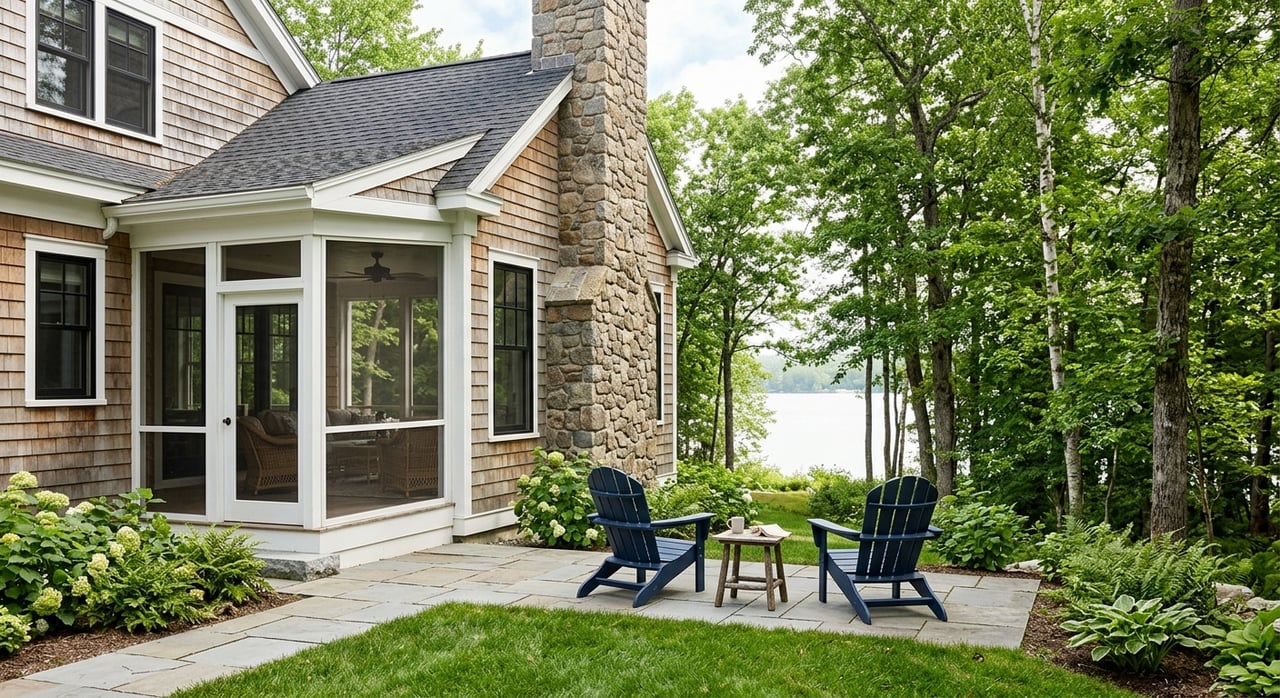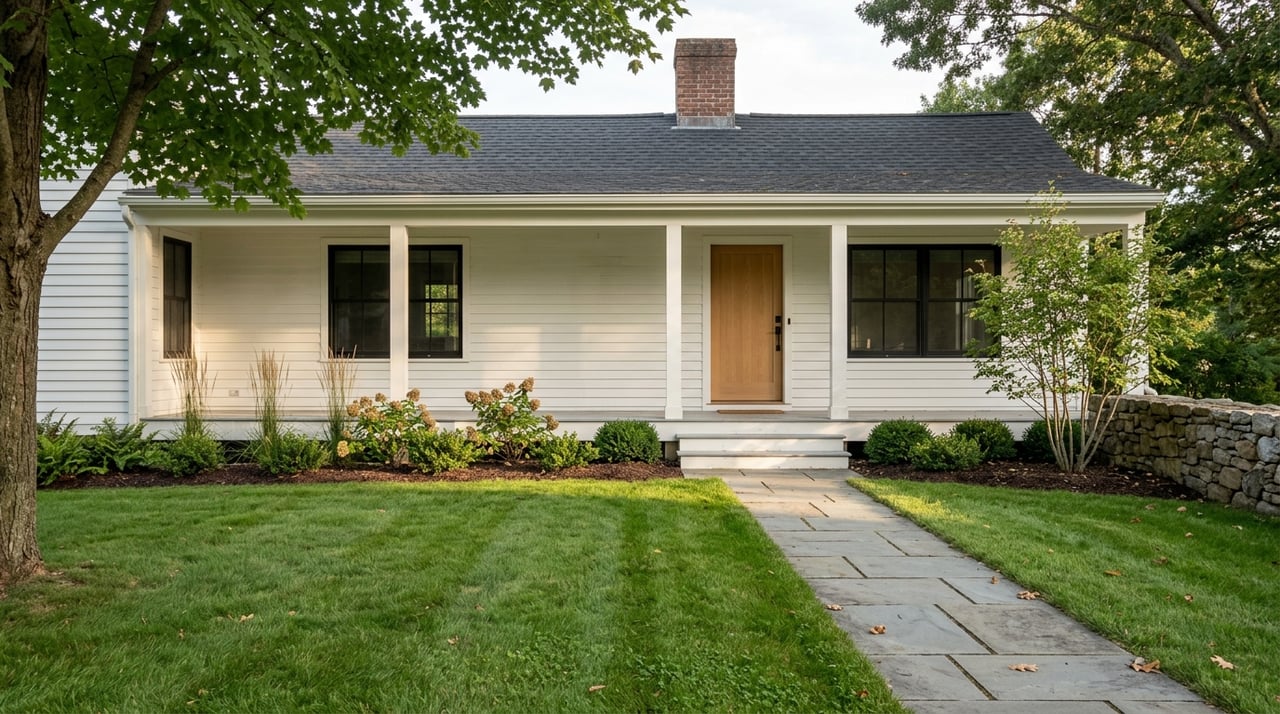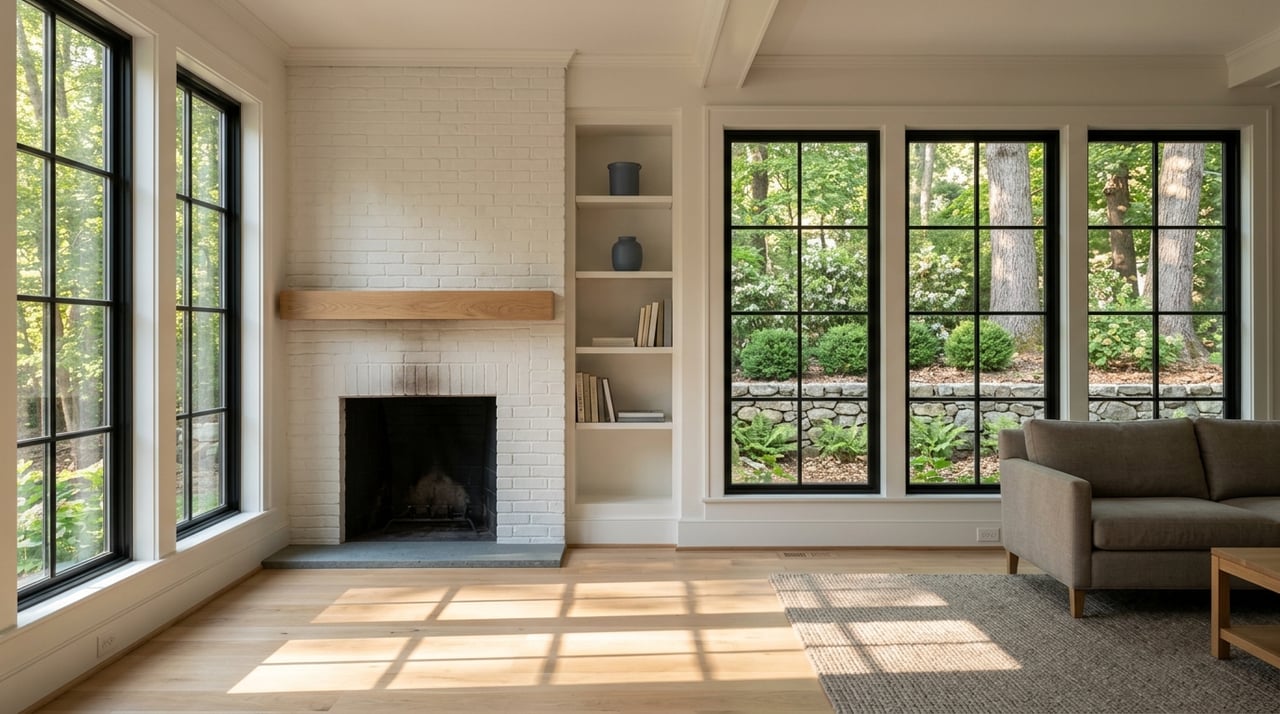
If you picture Fairfield County as all bustle and busy roads, Redding may surprise you. In this part of the county, country living means wooded land, protected open space, and homes with breathing room. If you are looking for privacy, nature, and a quieter home base without leaving the region, Redding Ridge deserves a closer look. Let’s dive in.
Why Redding feels different
Redding is a small town in Fairfield County with a July 1, 2025 population estimate of 8,847 spread across 31.6 square miles. That low-density feel is not accidental. Town planning and zoning have long focused on preserving Redding’s predominantly residential and farming character as the town changes over time.
That planning shows up in the way the town feels when you drive through it. You will notice more trees, more separation between homes, and fewer signs of dense development than in many nearby suburbs. The town is also about 53 miles from New York City and 48 miles from Hartford, which helps explain its appeal for buyers who want a more rural setting while staying in Fairfield County.
What country living means in Redding Ridge
Redding Ridge sits in the southeast part of town. The area is tied to the Aspetuck watershed and the Redding Glen ravines, which helps shape the natural landscape around it. For buyers, that often translates to scenic roads, wooded surroundings, and a setting that feels tucked away.
If your goal is more space and more privacy, this part of Redding lines up well with that lifestyle. The town plan uses low-density guidance, including about one dwelling unit per two acres of upland area. While every property is different, the broader pattern supports the idea of larger lots and a more spread-out residential setting.
Open space is a major part of life here
One of the biggest draws of Redding is how much land has been preserved. The 2018 Open Space Plan reported about 4,816 acres of permanently protected open space in town, plus 2,824 acres of Centennial Watershed State Forest. That is a major reason the town keeps its rural look and feel.
The open-space strategy is not just about scenery. The plan focuses on water resources, scenic rural character, habitat, large connected parcels, and passive recreation. Roughly 90% of Redding’s water recharges drinking-water sources, and the state designates Redding as a water conservation area.
For you as a buyer, this means the natural setting is not random or temporary. It is supported by long-term conservation efforts that shape how the town grows.
Trails and outdoor access
If being outside is part of your lifestyle, Redding stands out. The town says there are over sixty miles of trails, while the Redding Land Trust’s January 2026 Book of Trails puts the network at roughly 77 miles. The Land Trust also says it holds over 2,000 acres of open space and works with the Conservation Commission on this shared trail system.
These trails cross land owned by the Redding Land Trust, the town, the state, The Nature Conservancy, the Connecticut Audubon Society, and Aquarion Water Company. The town also notes that the trails are maintained by volunteers called Trail Tenders, which says a lot about the community’s stewardship mindset.
Notable places to explore
Several well-known outdoor areas help define country living in Redding:
- Lucius Pond Ordway–Devil’s Den Preserve, an 1,800-acre preserve in Weston and Redding with a 20-mile trail system
- The Saugatuck Trail
- The Aspetuck Trail
- The Norwalk River Valley Trail
- Saugatuck Falls Natural Area
- Putnam Memorial State Park
The Conservation Commission says trails in town support hiking, riding, and cross-country skiing. Select trails are also open to horseback riding, including some loops updated in 2024.
The housing character in Redding
Redding’s housing market is shaped more by ownership and long-term residency than by dense rental inventory. The owner-occupied housing unit rate is 91.6%, and the median value of an owner-occupied home is $706,300. For context, that is well above the statewide median of $366,900.
Those numbers do not tell you what any one home will cost, but they do help frame the market. Redding tends to attract buyers looking for a primary home with land, privacy, and staying power rather than a high-turnover, high-density housing environment.
Historic homes and classic New England appeal
If you love older homes, Redding has real depth. The town says 230 historic structures are listed on the State Historic Resource Inventory. It also identifies two National Register historic districts, Redding Center and Georgetown, and notes that many pre-1900 houses remain in town.
That matters because country living here is not limited to one home style. You may find antique homes with historic character, traditional single-family properties on wooded lots, and homes where the land itself is a major part of the appeal. For buyers drawn to antique or distinctive Connecticut homes, Redding can offer a strong match.
What lot size and privacy often look like
In Redding, the sense of space comes from policy as much as geography. The town plan recommends low-density development, and the open-space plan discusses subdivision set-asides on parcels larger than ten acres. Together, those policies support a pattern of wooded lots, more distance between homes, and a stronger conservation overlay than you may see in a typical suburb.
That does not mean every home sits on a huge estate. It does mean you should expect the land to matter more here. In many cases, the lot, tree cover, topography, and relationship to nearby protected land are central parts of a property’s value and lifestyle appeal.
The tradeoff: more space means more due diligence
Country living can be wonderful, but it also asks more of you as a buyer. In Redding, wetlands, zoning, and access considerations can matter more than they do in denser towns. If you are thinking ahead to additions, decks, barns, or an accessory apartment, those details should be part of your planning from the start.
The town notes that the Building Department, Zoning Commission, and Conservation/Inland Wetlands Commission may all play a role in many projects. The zoning page also references accessory apartment permits, lot requirements, and other zoning applications. In practical terms, that means a property with great land may also come with more rules about what can be changed and how.
Questions worth asking before you buy
When you are considering a home in Redding Ridge or elsewhere in town, it helps to look beyond the house itself. A few smart questions can save time and reduce surprises later.
- How much of the lot is upland versus wetland?
- Are there existing approvals or restrictions tied to the property?
- If you want future improvements, which town boards may need to review them?
- How does access to nearby trails or conserved land affect the property?
- Does the setting match your day-to-day goals for privacy, maintenance, and outdoor use?
Who tends to love living here
Redding often appeals to buyers who want more land, more privacy, and a stronger connection to nature without leaving Fairfield County. It can be especially attractive if you are looking for a longer-term home base and value a quieter, wooded environment.
It is also a strong fit if you appreciate homes with character. Buyers drawn to antique homes, horse properties, or distinctive single-family homes often respond well to Redding’s mix of preserved land and established residential character.
Why Redding Ridge stands out
Redding Ridge captures many of the qualities buyers mean when they say they want country living. It offers a setting shaped by watershed land, ravines, trails, and a town-wide commitment to preservation. That combination can be hard to find in a county where many communities feel more built out.
For the right buyer, the appeal is simple. You get space, nature, and a quieter pace, while still being in Fairfield County and within reach of major regional destinations. If that balance sounds right to you, Redding Ridge is worth serious consideration.
If you are exploring homes in Redding Ridge or anywhere nearby in Fairfield County, Connie Widmann & Team can help you evaluate properties with a local eye and a practical strategy.
FAQs
What is country living like in Redding, CT?
- Country living in Redding usually means wooded surroundings, lower-density development, protected open space, and homes with more separation and privacy than in a typical suburb.
Where is Redding Ridge located within Redding?
- The Redding Land Trust’s Book of Trails places Redding Ridge in the southeast part of town, connected to the Aspetuck watershed and the Redding Glen ravines.
How much open space is protected in Redding?
- Redding’s 2018 Open Space Plan reported about 4,816 acres of permanently protected open space, plus 2,824 acres of Centennial Watershed State Forest.
How many trails are there in Redding?
- The town says Redding has over sixty miles of trails, and the Redding Land Trust’s January 2026 Book of Trails puts the network at roughly 77 miles.
What types of homes are common in Redding?
- Redding is known for owner-occupied single-family homes, including many older and historic properties, with a market shaped by land, privacy, and long-term residential use.
What should buyers know before purchasing land or a home in Redding?
- Buyers should pay close attention to zoning, wetlands, lot requirements, and any future plans for additions, barns, decks, or accessory apartments because multiple town boards may be involved in approvals.
Is Redding a good fit if you want privacy and nature?
- Redding can be a strong fit if you want a quieter setting, trail access, preserved land, and more room between homes while staying in Fairfield County.