Looking for a Connecticut town where history feels woven into daily life? If Woodbury has caught your eye, you are probably drawn to more than square footage alone. You may want a home with character, a walkable village setting, local shops, and easy access to open space. In Woodbury, those pieces come together in a way that feels distinctly New England. Let’s take a closer look at what village lifestyle and homes in Woodbury, CT can offer.
Why Woodbury Stands Out
Woodbury is a small town in Litchfield County with an estimated population of 10,005. It also has a 77.9% owner-occupied housing rate, a median household income of $131,480, and a median owner-occupied home value of $469,900. Together, those figures point to a market with a strong base of long-term homeowners.
What often sets Woodbury apart is its sense of continuity. The town’s history dates to 1672-73, and local records trace its built environment from colonial houses to Greek Revival and Victorian homes. That long timeline still shows up in the streetscape, especially around the village center and historic districts.
Historic Village Character in Woodbury
Woodbury is often described as a quintessential New England town, and the setting helps explain why. The town notes that 18th- and 19th-century homes line Main Street, alongside shops, restaurants, parks, and access to hiking and biking trails. For many buyers, that blend creates a lifestyle that feels both scenic and practical.
The town has two locally designated historic districts that were created in 1969. One is described in planning documents as a commercial district with a notable concentration of antique dealers, while the other is primarily residential. The Hotchkissville Historic District adds another layer, preserving much of a 19th-century agrarian-industrial village where many historic residences still remain.
Historic landmarks also help shape Woodbury’s identity. The town planning documents identify places like the Hurd House, Old Town Hall, and King Solomon’s Lodge as locally significant. Even when a property or landmark is not on the National Register, preservation still plays a visible role in how the town presents itself.
A Village Center With Deep Roots
One of the best-known landmarks is the Glebe House Museum and Gertrude Jekyll Garden. The town describes it as an 18th-century farmhouse in historic Woodbury’s village center. It is also home to the only extant American garden planned by Gertrude Jekyll.
That kind of landmark matters because it reinforces the feel of the area around it. In Woodbury, history is not tucked away in one museum block. It shapes the broader atmosphere of the village center and supports the town’s identity as a place where preservation and daily life still meet.
The Lifestyle: Antiques, Dining, and Daily Routine
If you picture a town where errands can feel a little more enjoyable, Woodbury fits that image well. Its village identity is tied closely to independent businesses and long-standing local institutions. The result is a routine that feels more personal than chain-driven.
Antiques are central to that story. The Woodbury Antique Dealers Association calls Woodbury the Antiques Capital of Connecticut, and CTvisit says the Woodbury Antiques Trail includes more than two dozen shops. Town planning documents add that antique dealers and restoration-oriented craftspeople cluster around the commercial historic district.
For buyers who love old houses, design, and craftsmanship, that is more than a tourism detail. It supports a broader culture of appreciation for architecture, furnishings, and restoration. That can make Woodbury especially appealing if you are drawn to antique homes or simply enjoy a town with visible character.
Dining and Local Stops
Woodbury also offers a mix of recognizable local gathering places. The 1754 House Inn, Restaurant & Tavern is described by CTvisit as Connecticut’s first inn and remains a dining and lodging destination. Other representative stops include John’s Cafe, a bistro-style New American restaurant, and New Morning Market, an independently owned natural and organic marketplace and café that opened in 1971.
For day-to-day living, that kind of business mix can shape how a town feels. It suggests a village center built around local habits, familiar faces, and small routines rather than a purely pass-through commercial strip. If you value that rhythm, Woodbury offers a strong fit.
Outdoor Access Adds to the Appeal
A historic town can be even more attractive when it also gives you room to get outside. Woodbury’s planning documents highlight several outdoor destinations, including Hollow Park, Orenaug Park, Nonnewaug Falls, Strong Meadow Preserve, Three Rivers Park, and Trolley Bed Preserve. Hollow Park includes a Pomperaug River walk, while Orenaug Park offers hiking trails and an observation tower.
Flanders Nature Center & Land Trust adds even more access to open space. It manages more than 2,400 acres in Woodbury and neighboring towns, with seven preserves in Woodbury that are open year-round for passive recreation. For many buyers, that means more options for walking, quiet outdoor time, and staying connected to the landscape.
Woodbury also has a less typical feature in Hogpen Hill Farms. CTvisit describes it as a 234-acre landscape sculpture park with miles of walking paths and seasonal public access. That kind of amenity adds another dimension to the town’s lifestyle, mixing nature, art, and exploration.
What Homes in Woodbury Look Like
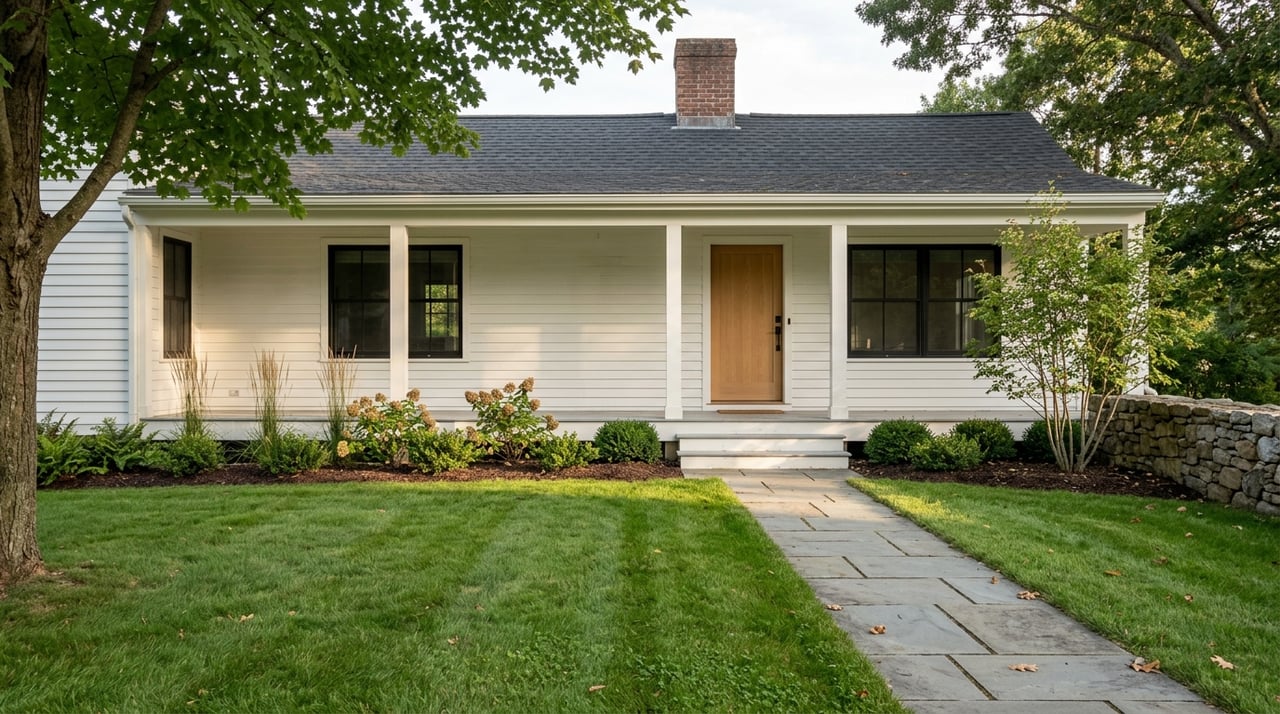
Woodbury’s housing stock reflects its long history. Based on town history and planning documents, the local housing story includes colonial-era beginnings, a mid-19th-century boom in Greek Revival homes, Victorian houses and cottages along Main Street, and later suburban growth after the 1950s. For buyers, that creates a broad range of choices rather than one uniform housing style.
In practical terms, you may find antique farmhouses, restored village homes, older colonials, and later suburban neighborhoods within the same town. Some buyers are drawn to period details and a strong sense of place. Others prefer the space and layout of later homes while still enjoying Woodbury’s village setting and open-space access.
Buyers Seeking Character Homes
If you are shopping for a home with history, Woodbury deserves a close look. The presence of National Register properties and historic districts helps explain why preservation is part of the local housing conversation. Town planning documents identify four National Register properties and three National Register districts, including the Glebe House, Jabez Bacon House, David Sherman House, Leroy Anderson House, Woodbury Historic Districts #1 and #2, and the Hotchkissville Historic District.
That does not mean every older home is the same, and it does not mean every property has the same level of historic oversight. Still, it does mean buyers should expect Woodbury’s architectural identity to matter. If you appreciate original details, established streetscapes, and homes that feel rooted in place, that can be a major advantage.
What to Know Before Updating an Older Home
If you are considering an older home in Woodbury, it is smart to think ahead about renovations or additions. The town’s Building Official states that building permits require prior approvals from Zoning, Historic, Sanitation, and Public Works. Commercial properties or two-family residences also require Fire Marshal approval.
For a buyer, that is useful context early in the process. If you are dreaming about expanding a kitchen, changing exterior features, or updating a historic property, the approval path may be part of your planning. Knowing that upfront can help you match the right home to your budget, timeline, and comfort level.
Who Woodbury May Appeal To
Woodbury can be a strong match if you want more than a house alone. It is especially compelling if you value heritage, local businesses, open space, and a town center with visible identity. The town’s combination of antiques, preserved architecture, parks, and independent dining gives it a lifestyle angle that many Connecticut buyers actively seek.
It may also appeal to buyers looking for distinctive residential options. Whether you are drawn to an antique home, a restored village property, or a later house with easier maintenance, Woodbury offers a layered housing mix within a setting that feels established and scenic.
If Woodbury is on your shortlist, it helps to work with a team that understands how to evaluate character homes, compare property types, and guide you through the local details that can affect your decision. Connie Widmann & Team brings calm, informed guidance to buyers and sellers across the region, with the local perspective and preparation that help you move forward with confidence.
FAQs
What is village lifestyle like in Woodbury, CT?
- Woodbury’s village lifestyle centers on historic streetscapes, independent shops, local dining, antique businesses, and access to parks and trails in a classic New England setting.
What types of homes are found in Woodbury, CT?
- Woodbury includes antique farmhouses, restored village homes, older colonials, Greek Revival and Victorian-era houses, and later suburban homes built after the 1950s.
Are there historic districts in Woodbury, CT?
- Yes. Woodbury has two locally designated historic districts created in 1969, and the Hotchkissville Historic District is also identified in town planning documents as a preserved 19th-century village area.
Why is Woodbury, CT known for antiques?
- Antiques are a major part of the town’s identity, with the Woodbury Antique Dealers Association calling it the Antiques Capital of Connecticut and CTvisit noting more than two dozen shops on the Woodbury Antiques Trail.
What outdoor amenities are available in Woodbury, CT?
- Woodbury offers parks and preserves including Hollow Park, Orenaug Park, Nonnewaug Falls, Strong Meadow Preserve, Three Rivers Park, Trolley Bed Preserve, Flanders preserves, and seasonal access to Hogpen Hill Farms.
What should buyers know about renovating older homes in Woodbury, CT?
- The town states that building permits require prior approvals from Zoning, Historic, Sanitation, and Public Works, so buyers considering updates should factor local approvals into their planning.